
THC Cream & CBD Pain Relief Cream
For Sore Joints, Back Tension, Muscle Soreness & Nerve Discomfort
⭐⭐⭐⭐⭐ 4.82/5 from 460 reviews
🧪 Lab Tested | 👩💼 Woman-Owned | ✅ Hemp-Derived
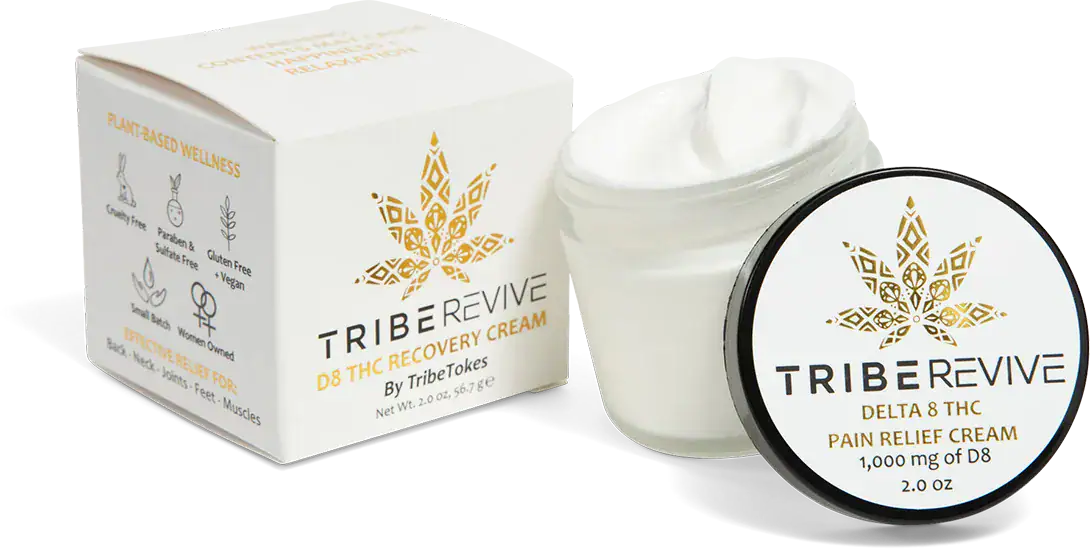
DELTA 8 THC PAIN CREAM
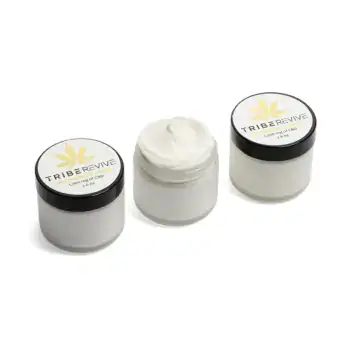
Delta 8 THC cream is our top-selling topical formula. Whether used for muscle soreness, post-workout recovery, or daily comfort, Delta 8 THC cream offers a convenient topical option with 1,000mg of cannabinoids per jar. The formula combines Delta 8 THC with arnica and a triple cooling complex (wintergreen, peppermint, menthol) for targeted application.
-
 Delta 8 THC Pain Relief Cream 1,000mg | Arnica + Menthol + WintergreenStarting from: $50.00 SHOP NOW This product has multiple variants. The options may be chosen on the product page
 -
 Save $10: Delta 8 THC Pain Relief Cream 2-Pack | 1,000mg EachOriginal price was: $100.00.$90.00Current price is: $90.00. SHOP NOW
 -
 Save $20: Delta 8 THC Pain Relief Cream 3-Pack | 1,000mg EachOriginal price was: $150.00.$130.00Current price is: $130.00. SHOP NOW
 -

-
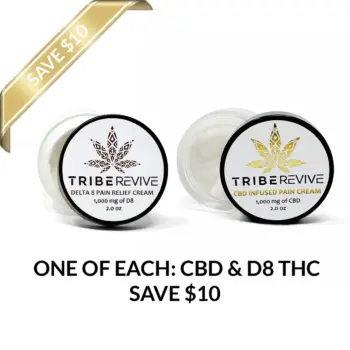
One of Each: D8 THC + CBD Pain Creams | Buy Together + Save $10Original price was: $100.00.$90.00Current price is: $90.00. SHOP NOW
CBD PAIN CREAM
-
CBD Pain Relief Cream 1,000mg | Arnica + Menthol + WintergreenStarting from: $50.00 SHOP NOW This product has multiple variants. The options may be chosen on the product page
-
Save $10: CBD Pain Relief Cream 2-Pack | 1,000mg EachOriginal price was: $100.00.$90.00Current price is: $90.00. SHOP NOW
-
Save $20: CBD Pain Relief Cream 3-Pack | 1,000mg EachOriginal price was: $150.00.$130.00Current price is: $130.00. SHOP NOW
-
-
One of Each: D8 THC + CBD Pain Creams | Buy Together + Save $10Original price was: $100.00.$90.00Current price is: $90.00. SHOP NOW
TribeTokes Pain Creams By The Numbers
1,000mg
Cannabinoids per 2oz jar (CBD or Delta 8 THC)
15 to 30 min
Cooling sensation kicks in within 15 to 30 minutes
3 to 4 hours
Reapply every 3 to 4 hours as needed
460
Reviews (4.82 average)
3
Natural cooling agents (Wintergreen, Peppermint, Menthol)
0%
Psychoactive effects when applied topically
<0.3%
Delta-9 THC (2018 hemp-derived)
100%
Third-party lab tested for purity & potency
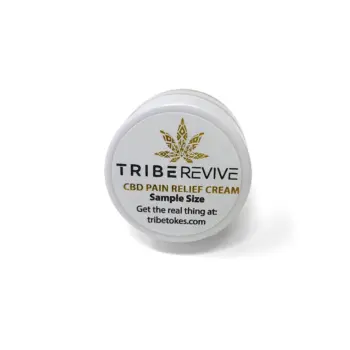
Available in 4 sizes: Travel (0.5oz), Full (2oz), 2-Pack, 3-Pack • Woman-owned business since 2017
What Our Customers Say
★★★★★
“This stuff doesn’t smell icky like OTC products. I work remotely with 3 monitors, so ya girl gets some serious neck and shoulder tension. A little goes a looong way and you get a gentle cooling that feels like a soft subtle hug. I keep the travel size at my work desk.”
Cody H.
Delta 8 THC Pain Relief Cream
★★★★★
“I was using heat patches daily but they weren’t cutting it. This cream is a game changer. I’m able to get through a 10 or 12 hour shift, reapplying halfway through. Thank you!”
Russell S.
Delta 8 THC Pain Relief Cream
★★★★★
“I use it every night before bed for various aches whether from a hard workout or just overuse. My job is hard on my knees and this works well when they start bothering me. It’s become part of my evening routine.”
Gale
Delta 8 THC Pain Relief Cream
★★★★★
“This really works. Better than the other 5 products I’ve tried. I apply it to my wrist each night and it feels noticeably better. Quick delivery and easy ordering too.”
Linda S.
Delta 8 THC Pain Relief Cream
★★★★★
“Doesn’t burn or smell bad. I used the travel size first and will be ordering a full jar. Gentler and more pleasant to apply than the prescription topical I was using before.”
Robyn R.
Delta 8 THC Pain Relief Cream
★★★★★
“We use this as a massage lotion foundation and it doesn’t disappoint! The texture absorbs well and leaves skin feeling smooth, not greasy.”
Amanda G.
Delta 8 THC Pain Relief Cream
How a Cannabis Pain Cream Works
A cannabis pain cream goes right where it hurts: you rub it into the sore spot and the active ingredients work at the surface, not your whole body. That’s the appeal of a topical. You get targeted comfort on a sore knee, a tight shoulder, or an achy lower back, designed to stay where you put it rather than working through your whole body (how topical and transdermal delivery differ). A lot of people reach for a THC pain relief cream after a workout or a long day on their feet. Worth knowing: legality depends on the federal hemp law framework and your state, so check the rules before a cream crosses state lines. When the soreness is all over instead of in one spot, CBD gummies for pain reach your whole body instead.
⚠️ A quick note before we get into it
Nothing here is medical advice, and these products are not meant to diagnose, treat, cure, or prevent any condition. People use topical cannabis for everyday aches and recovery, and responses vary from person to person. If you have a health condition, are pregnant or nursing, or take medication, talk to a healthcare provider first. These statements have not been evaluated by the FDA.
Why People Choose THC Cream for Arthritis and Stiff Joints
For people with stiff, achy joints, a THC cream for arthritis offers something a pill can’t: comfort applied right to the spot. You massage it into sore knuckles or aching knees, and many users find the targeted approach more pleasant than swallowing something that affects the whole body. Because a topical stays on the surface, you keep a clear head while you go about your day. Everyone is different, so results vary, and a cream is not a substitute for medical care.
Finding the strongest THC cream for pain means reading past the marketing and checking the actual milligram count. For tougher aches, people look for a higher cannabinoid concentration, often 500mg to 1,000mg or more per jar. How well a cream absorbs also depends on its carrier oils, ingredients like emu oil and lecithin that help the cannabinoids sink into the skin. So the milligrams matter, but so does the rest of the formula.
Benefits of Cannabis Pain Relief Cream for Daily Use
Cannabis pain relief cream is gentle enough for everyday use, which is what sets a topical apart from something you swallow. People keep a jar on the nightstand or in a gym bag and reach for it after a workout, a long shift, or before bed. Because a topical isn’t intoxicating, you can apply it and still drive, work, or run errands. Many users build it into a daily routine and find it works best with consistent use.
CBD or Delta 8 THC: How People Choose
CBD has become the go-to for people who want localized comfort without any high or drug-test worry. Massage a CBD cream into a sore lower back and you get the active ingredient right where you want it, no intoxication involved. Researchers are still studying how CBD may support the body, and the science is ongoing rather than settled. It’s a big reason workers, athletes, and older adults have moved from harsh chemical rubs toward plant-based formulas.
Choosing the Best CBD Cream for Pain Relief
Match the formula to the type of ache. Sharp, hot, or sudden soreness often feels better with a cooling cream (menthol or camphor) that gives an instant icy hit while the CBD absorbs. Menthol and methyl salicylate, the compound in wintergreen, are the two most common actives in over-the-counter topical analgesics. Deep, stubborn stiffness tends to pair well with a warming salve (capsaicin or ginger) that brings a little warmth to the area. The supporting ingredients are often the difference between a cream you love and one you don’t.
The best CBD topicals don’t lean on CBD alone, they blend it with other plant-based ingredients. Arnica, long used for bruises and soreness. Lavender for a calming scent. Eucalyptus for a fresh, cooling feel. These work alongside the hemp extract and also condition the skin with vitamins and fatty acids. Holistic doesn’t mean weak. It means the formula is doing a few things at once.
Full spectrum and isolate sit at opposite ends of the entourage effect. Isolate is purified CBD with everything else stripped out, and it works well for a lot of people. Full spectrum CBD pain cream keeps the minor cannabinoids like CBG and CBN plus the plant’s terpenes. The idea, called the entourage effect, is that those compounds may work better together than CBD on its own. Many people find full spectrum feels deeper and longer-lasting, though responses vary.
Cannabis Cream for Arthritis and Joint Discomfort
A cannabis cream for arthritis works at the joint, applied right where the ache lives. You work it into the sore spot, and it stays right where you put it rather than running through your whole system. Many people with joint discomfort prefer that targeted feel. Researchers are still exploring how cannabinoids interact with the body, and you can read a peer-reviewed review of cannabinoid signaling in skin. As always, results differ from person to person, and a cream isn’t a replacement for treatment.
For active people, a cannabis cream for joint pain is an easy part of the recovery routine. Hard workouts leave joints sore. A topical lets you work it into the spot directly, knees, shoulders, wrists, without anything that slows you down or clouds your head. Many athletes keep a jar in the gym bag and reapply after training. It’s about staying comfortable enough to keep moving.
CBD Joint Pain Cream: Soothing Hands, Knees, and Elbows
A CBD joint pain cream tends to shine on hands, knees, and elbows, where the joints sit close to the surface. Those spots don’t have much padding between the skin and the joint, so a topical reaches them easily. Rub it into stiff fingers or a sore elbow and you get the cream right on target. Many users with everyday joint stiffness keep one within reach for exactly these areas.
The best CBD cream for arthritis pain comes down to potency and how well it absorbs. A higher cannabinoid concentration gives you more to work with, and good carrier oils help it sink in instead of sitting on top of the skin. For chronic stiffness, people tend to want both: enough strength and a formula that actually absorbs. Check the milligrams and the ingredient list, and lean on a current lab test to back up the label.
Cannabis Cream for Back Pain and Muscle Soreness
A cannabis cream for back pain lets you cover a broad, achy area without anything entering your system. Backs are big muscles, so a topical you can spread across the sore region is handy. You smooth it on, it stays put, and there’s no high to manage. Many people grab it after lifting, sitting too long, or a rough night’s sleep.
For the lower and upper back, the trick is to apply the cream right on the spots where you feel it most. Work it into the tight area along the spine or across the shoulders. A cannabis topical cream for pain absorbs into the area you target, so you’re covering the sore area directly rather than waiting on something to circulate. Spread a thin layer and reapply as the label directs.
A CBD cream for muscle pain is a simple post-workout move: rub it into the muscles you just worked. Hard training leaves muscles sore the next day, the dreaded DOMS (delayed onset muscle soreness). A topical lets you target those spots directly, and many people find it a comfortable part of recovery. Apply after a session, reapply if you need to, and pair it with the basics: water, rest, and time.
Traditional balms mostly mask an ache with a hot or cool sensation. A good CBD cream adds the hemp extract on top of that. Menthol and capsaicin create that distracting cool or warm feeling that pulls your attention off the pain. The best CBD cream for back pain layers in cannabidiol that absorbs into the skin. Many users feel the combination lasts longer than a plain drugstore rub, though everyone responds differently.
How People Use CBD Topicals Around Nerve Discomfort
Nerve-related discomfort calls for a targeted approach, and a nerve pain CBD cream is applied right to the affected area. Neuropathy can bring sharp, prickling feelings that frustrate a lot of people. A topical lets you work it into the spot directly. Ongoing nerve issues are worth a conversation with your doctor, since a cream is a comfort tool, not a treatment.
Start small with a dab on the spot, watch how the tingling or burning feels over an hour, then reapply as needed. Neuropathy pain shows up as sharp, shooting, prickling sensations. People apply a CBD cream for neuropathy pain right to the area, and many make it part of a daily routine. Responses vary, so go slow and pay attention to how your skin and the sensation respond.
CBD and THC Cream for Nerve Pain
| Formula | How People Use It | Often Chosen For | Psychoactive? |
| CBD Only (Isolate / Broad Spectrum) | Applied to the skin for localized comfort, no THC involved | Mild to moderate tingling, anyone avoiding THC entirely | No |
| CBD + THC (Full Spectrum) | Pairs CBD and a little THC for what many describe as a fuller effect | More stubborn or chronic nerve discomfort | Negligible as a topical, since it is designed to stay on the surface |
For ongoing nerve pain, many people apply 2 to 3 times a day, since consistency tends to beat an occasional one-off application. Look for a CBD cream for nerve pain that includes soothing extras like arnica or magnesium. People who use it for nerve discomfort tend to stick with a routine rather than a one-off dab.
Choosing a Strength and Formula
How a CBD cream feels depends on the formula, the extra active ingredients, and the cannabinoid concentration. Choosing the right blend means matching it to the kind of ache you’re dealing with. Here’s how the main options compare.
For a flare-up, massage a generous layer into the area, and keep it off broken skin, eyes, and sensitive spots. A CBD pain freeze cream pairs CBD with menthol or camphor. The cooling hit acts as a counter-irritant that pulls your attention off the ache while the CBD absorbs. It’s the go-to when you want something fast and refreshing.
When to Choose Pure CBD Pain Cream vs. Full Spectrum Blends
| Extract Type | What It Contains | Often Chosen By | Drug Testing Note |
| Pure CBD (Isolate) | 99% pure CBD, with other cannabinoids, waxes, and terpenes stripped out | People sensitive to THC, or anyone who wants CBD on its own | Contains zero THC |
| Full Spectrum Blend | CBD, minor cannabinoids (CBG, CBN, CBC), terpenes, and up to 0.3% THC | People with deep, ongoing aches who want the fuller-spectrum feel | Very low risk as a topical, but be cautious with strict zero-tolerance policies |
Choosing between pure CBD and full spectrum comes down to severity and how you feel about even trace THC. Isolate is the safe call for strict zero-tolerance workplaces. Full spectrum is what many people turn to with more serious, ongoing aches.
Strongest CBD Cream for Pain: What Concentration You Need
Start with a 500mg to 1,000mg formula to see how your skin responds before stepping up to maximum strength. Higher-potency creams in the 2,000mg to 5,000mg+ range are built for serious, ongoing aches. More CBD per application means more absorbs, which many users find gives deeper, longer-lasting comfort for stubborn spots. Start lower, then climb if you need to.
What to Check Before You Buy
Safety first. Always check for third-party lab tests before you buy. Shopping for cannabis topicals is a category where reading labels matters more than chasing brand names. Watch out for fakes, mislabeled products, and synthetic alternatives. The market shifts fast, so knowing what’s actually in the tube is the easiest way to protect yourself.
Local shops and online marketplaces both carry risk if you don’t know what to look for. Stick with reputable brands like TribeTokes or established local retailers. Read the label for cannabinoid concentration, and skip products with vague ingredient lists or oversized medical claims. A trustworthy topical is transparent about everything inside it.
Never buy a cannabis topical without a recent Certificate of Analysis. Verified lab results are the only reliable way to confirm the cream is free of pesticides, heavy metals, and residual solvents. Transparency is the bar. If a retailer can’t show the documentation, shop elsewhere.
Run any cream through this quick checklist before you buy.
- Check the label: Confirm the total CBD, THC, or minor cannabinoid content is listed in milligrams.
- Verify the ingredients: Look for natural, skin-safe bases. Skip the harsh synthetic chemicals and artificial fragrances that can irritate skin.
- Scan the QR code: A legit product carries a scannable code that links straight to an independent lab report.
CBD vs Delta 8 THC Pain Cream: Side by Side
Both creams are applied the same way and used for similar aches, with the main difference being how strong the effect tends to feel. Here’s how a CBD pain cream and a Delta 8 THC pain cream stack up, based on how people commonly use them.
| Feature | CBD Pain Cream | Delta 8 THC Pain Cream |
| Often chosen for | Daily wellness, general soreness, mild to moderate aches | Stronger, more stubborn aches and chronic stiffness |
| Strength of feel | Moderate | Stronger |
| Psychoactive? | No, never | No, as a topical |
| Drug test note | Minimal (under 0.3% THC) | Possible with heavy use |
| Onset time | 15 to 30 minutes | 15 to 30 minutes |
| Duration | 3 to 4 hours | 3 to 4 hours |
| Common uses | Everyday aches, muscle soreness, post-workout | Tougher joint and back aches, recovery from harder sessions |
| Lab tested | Yes, COAs available | Yes, COAs available |
Which Cream Do People Reach For?
There’s no one-size-fits-all answer, but here’s how people tend to choose between the CBD and Delta 8 THC creams. Use it as a starting point, not a prescription. Everyone responds differently, and a healthcare provider is the right person to talk to about a specific condition.
| Type of Ache | Commonly Chosen | Why People Pick It |
| Everyday joint stiffness | CBD Pain Cream | Gentle for daily use, no drug-test worry |
| Stubborn joint aches | Delta 8 THC Pain Cream | Many find it feels stronger on intense soreness |
| Nerve-related tingling | Delta 8 THC Pain Cream | Often chosen for tougher nerve discomfort |
| Post-workout soreness | CBD Pain Cream | Easy to use daily without drug-test risk |
| Ongoing back aches | Delta 8 THC Pain Cream | Many prefer it for deeper, lasting discomfort |
| General muscle aches | CBD Pain Cream | Plenty for most everyday soreness |
| Sports recovery | Delta 8 THC Pain Cream | Often chosen for a stronger feel during recovery |
| Not sure where to start | Try both (start with CBD) | Individual response varies, so start gentle |
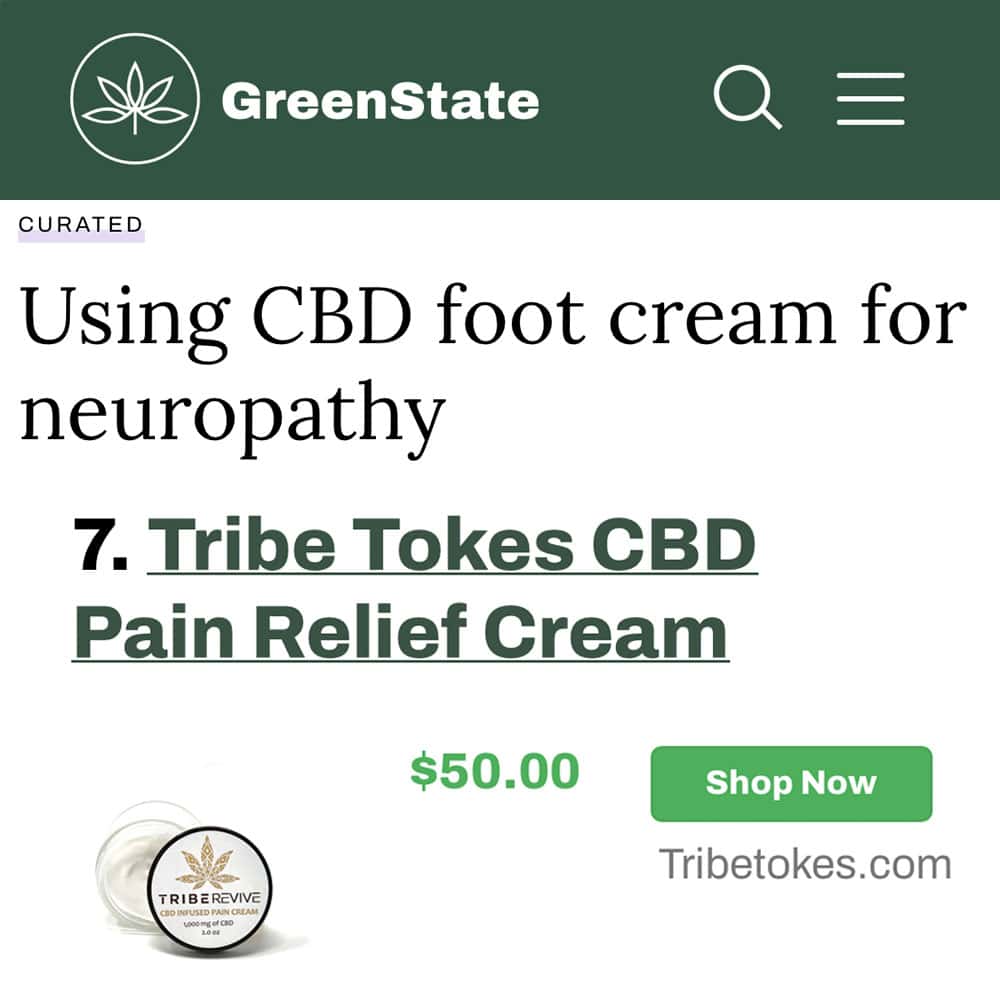
LOVE FROM THE PRESS
THC Lotion, Balm, Salve or Cream: Which One Is This?
People search for a THC lotion, a THC balm, a THC salve or a marijuana cream, and they usually want the same thing: something you rub into sore muscles and stiff joints instead of swallowing. Our pain relief cream sits in that family. It’s a 1,000mg cream in a 2 oz jar that rubs in like a lotion, so it spreads over a knee or a lower back without leaving a waxy layer behind.
Two versions, one base formula. The Delta 8 THC cream is the jar most people mean when they look for a THC cream or weed balm. The CBD cream is the THC-free hemp cream option for anyone who would rather skip THC entirely. Both carry arnica, menthol and wintergreen, both are third-party lab tested, and both come in the same jar, so plenty of customers keep one at home and one in a gym bag.
Every jar here is sold direct from TribeTokes, with the lab report for its batch linked above, so what you read on the label is what the lab found in the jar.
THC Lotion vs. THC Cream: What’s the Difference?
A lotion carries more water, so it’s thin and sinks in fast. A cream carries more oil, so it’s thicker and stays on the skin a little longer. A balm or salve skips the water and uses wax, which is why it feels slick. Ours is a cream that absorbs like a lotion. It’s non-greasy, the menthol and wintergreen cooling shows up in a minute or two, and it doesn’t leave a film behind. If a THC lotion is what you came looking for, this is the closest thing we make.
Pain Cream FAQ
Not technically, but you’ll use it like one. TribeTokes Delta 8 THC pain relief cream is a cream, a little thicker than a pump lotion, and it absorbs fast without feeling greasy. Each 2 oz jar holds 1,000mg of Delta 8 THC, or 1,000mg of CBD in the THC-free version, plus arnica, menthol and wintergreen. Massage a dime-sized amount into a knee or shoulder until it’s gone.
Many people build CBD topicals into a daily routine for targeted, localized comfort. Knowing your own needs helps: read labels for complementary ingredients like arnica or menthol, and talk to a medical professional about long-term joint or muscle care. A cream is a comfort tool, not a treatment.
The safest spots for pickup are licensed retailers or dedicated CBD wellness shops. Skip unregulated gas stations and convenience stores, since those products are rarely lab-tested and may contain things you don’t want on your skin. Buying direct from a transparent brand online is often the cleaner route.
Strength comes from the cannabinoid concentration and the quality of the formula. Higher milligram counts tend to feel stronger, but potency without safety is a bad trade. Stick with lab-tested products, check the milligrams on the label, and ignore the marketing copy.
Many people apply the cream 2 to 3 times a day for steady comfort. Consistency tends to make the difference with joint stiffness. Regular application keeps the plant compounds working through the day instead of in isolated bursts. Follow the product label and your provider’s guidance.
People reach for it for localized soreness, stiffness and lingering aches. If you are recovering from surgery, check with your physician before applying anything near a healing incision. This is a comfort product, not a medical treatment.
Buy direct from reputable brands like TribeTokes. A transparent source gives you lab-verified, clean products free of harmful additives, heavy metals, or pesticides. The Certificate of Analysis should be easy to find before you buy, not after.
Yes, you can apply it to more than one area at once. Because it’s a topical, you can target a sore back and a stiff neck right where you feel them, since it is designed to stay where you put it. Use a thin layer per spot and reapply as the label directs.
Not the way an edible or a vape does. A topical works where you rub it in, and the Delta 8 isn’t designed to reach your bloodstream, so most people feel the cooling from the menthol and wintergreen, not a high, and a topical isn’t expected to show up the way an edible would. We can’t promise any test result, though. Tests look for THC metabolites, not where they came from. If a failed test would cost you your job, skip THC products entirely.
Learn More About Cannabis Pain Relief:
- 7 Best CBD and THC Creams for Sore Muscles and Joints
- Can I take CBD Gummies for Pain?
- CBD for Back Pain
- View All Lab Test Results (COAs)
Shop Related Pain Relief Products:
- Best Cannabis Products for Pain
- Delta 8 THC Products
- CBD Products
- CBN Sleep Products (for pain-related sleep issues)
Sign up for 15% off sitewide, free gifts
and new product drops.
We solemnly swear to make you laugh and not over-email you.